
Hidden Costs to Watch for in Your Kitchen Reno
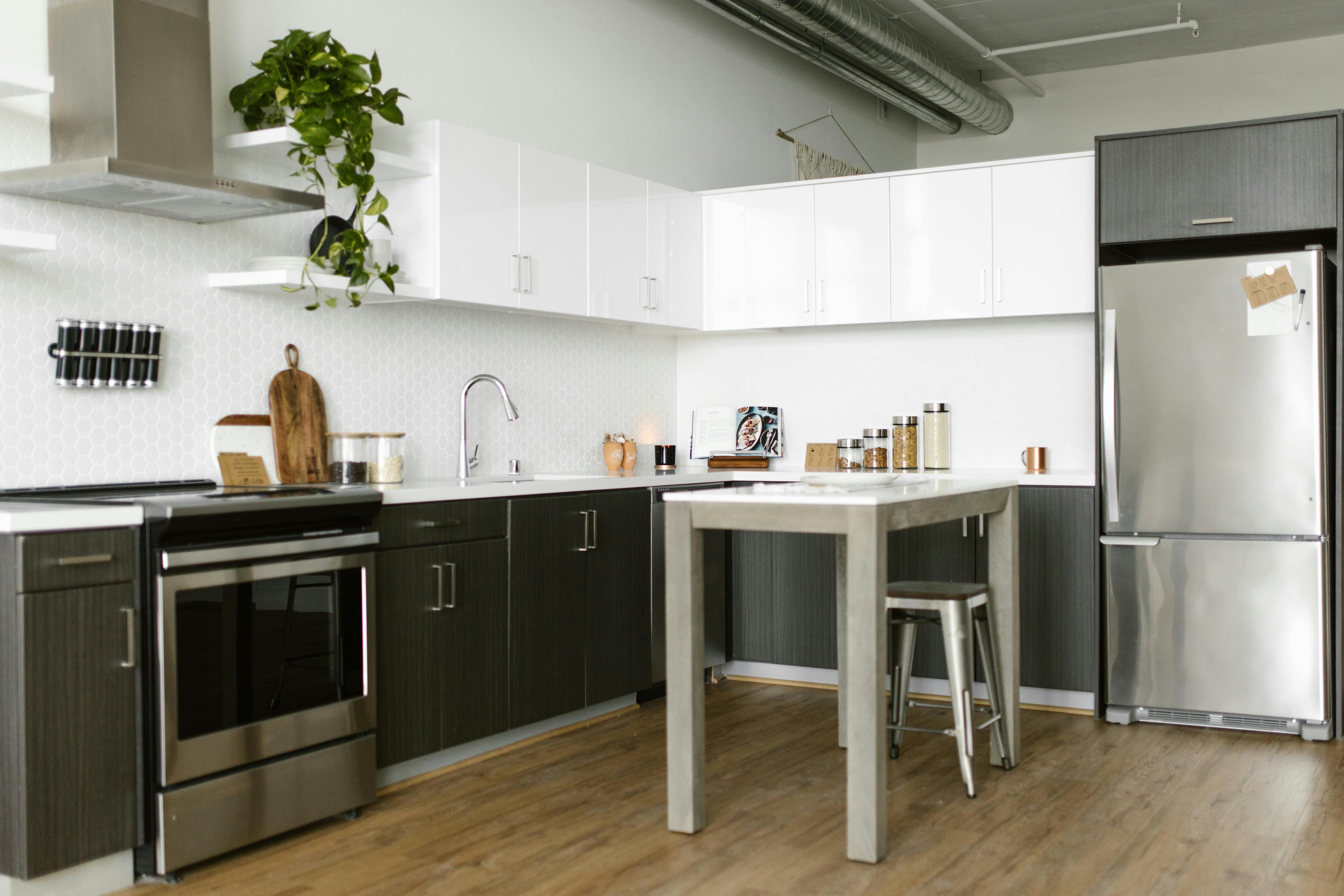
Renovating a kitchen is one of the most rewarding home improvements you can make, but it's also where budgets tend to spiral out of control. When planning your dream kitchen in the Sutherland Shire, most homeowners account for the big-ticket items: cabinets, countertops, and appliances. However, the true cost of a renovation often lies in the details that aren't immediately obvious on a floor plan.
Common Hidden Costs in a Kitchen Renovation
Here are some of the most common hidden costs to watch out for:
- Hidden Plumbing and Electrical Upgrades: Once the old cabinets come down, you might discover that your 30-year-old pipes don't meet current standards, or your electrical panel can't handle the load of a modern induction cooktop. These "behind-the-wall" fixes can add thousands to your bill before the first tile is even laid. This is especially true in older homes, where wiring and plumbing may not have been updated for decades.
- Subfloor Leveling: New flooring requires a perfectly level surface. In older Shire homes, settling can result in uneven subfloors that need professional leveling compounds or structural adjustments. A perfectly level subfloor is crucial for the longevity of your new flooring, preventing cracks in tiles and gaps in floorboards.
- Pest and Water Damage Repair: What you can't see can hurt your budget. Hidden leaks or termite damage often reveal themselves only after demolition has begun. It's important to address these issues immediately to prevent further damage.
- Temporary Kitchen and Dining Costs: If you're living in the house during the renovation, you'll need to budget for eating out or setting up a temporary kitchen. This can include the cost of a mini-fridge, microwave, and other small appliances, as well as the inconvenience of washing dishes in the bathtub.
- Waste Disposal: Skip bins and waste disposal are often overlooked but can be a significant cost. The size of the skip bin you need will depend on the scale of your renovation, and costs can vary.
- Council Fees and Permits: Depending on the scope of your renovation, you may need to obtain permits from your local council. These fees can add up, so it's important to factor them into your budget from the start.
ProjectOps Tip
Always set aside a 15-20% contingency fund specifically for these unforeseen structural and utility issues. It's not a question of 'if' something comes up, but 'what'.
By anticipating these costs and having a solid coordination plan, you can avoid the "reno-burnout" that happens when financial surprises hit halfway through the build. If you'd like help with your renovation, please get in touch.

Written by Project Ops Team